
Reduction also possible in the 2025 field trial: challenges due to frost and site conditions
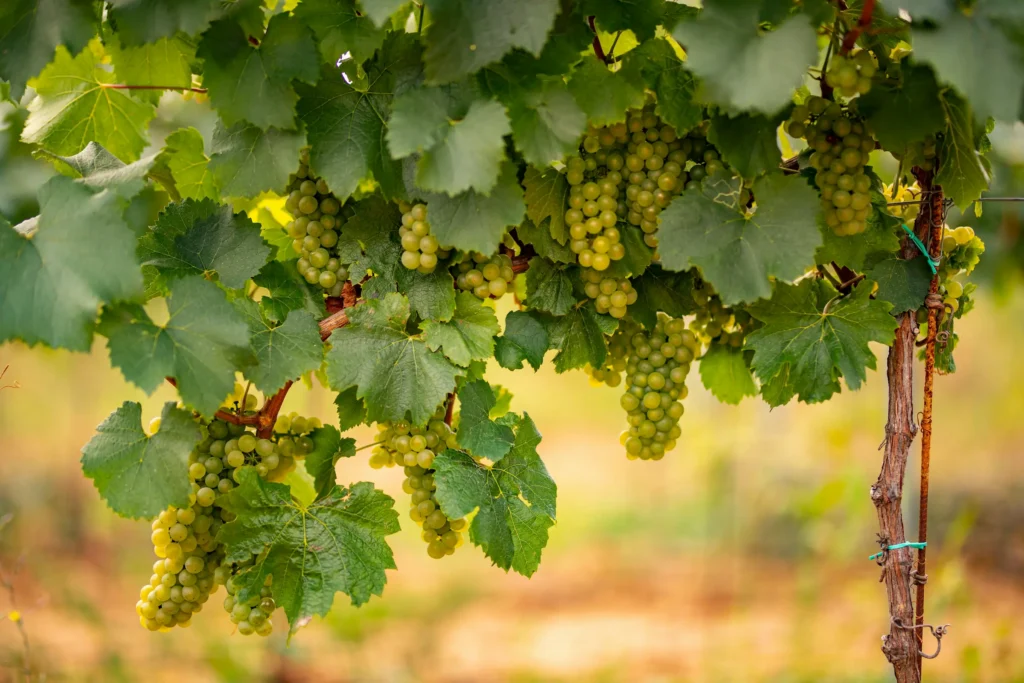
In 2025, we once again conducted a field trial together with Certis Belchim to test and improve the VineForecast algorithm. As in the previous year, this showed that the algorithm can be used to minimise plant protection measures without the vines being more severely affected by diseases. However, the evaluation of the results was not very favourable, especially for Oidium [...]
Plant protection documentation in viticulture from 2026 - What will change for your business

Plant protection documentation from 2026 will bring important changes for agricultural and horticultural businesses. From 1 January 2026, extended documentation requirements will apply to the use of plant protection products. The aim of the new regulations is to improve the traceability, transparency and standardisation of records within the EU. For companies, this means more mandatory information, clearer requirements and the gradual [...]
Plant protection reduction through VineForecast in the 2024 field trial
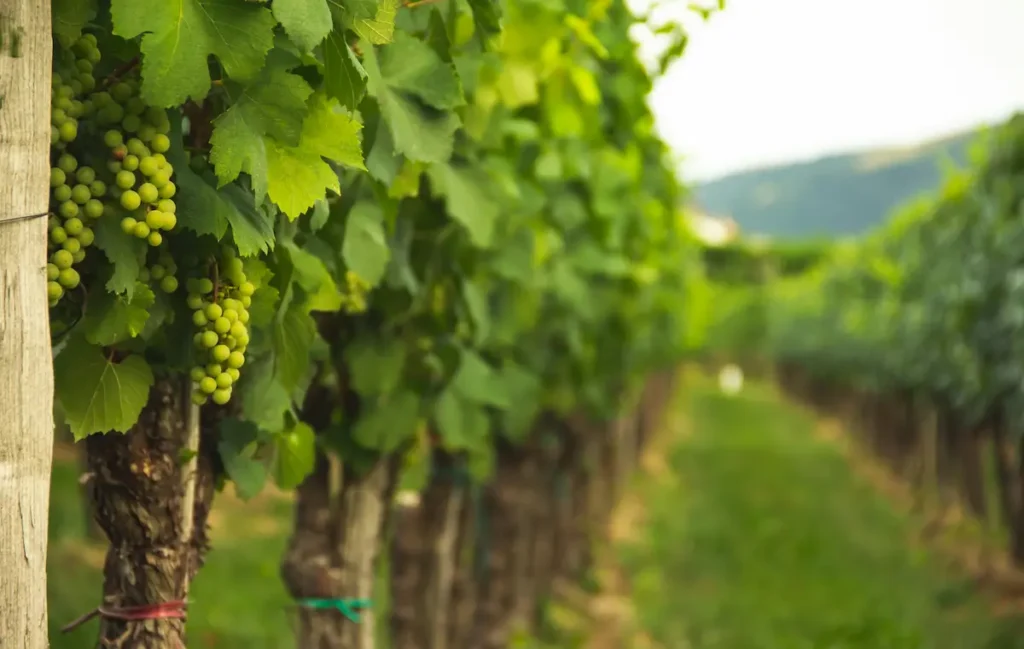
Efficient and sustainable plant protection is a cornerstone of modern viticulture. In 2024, Certis Belchim tested the VineForecast algorithm in field trials on a Müller-Thurgau vineyard in Spiesheim, Germany. The aim was to reduce the number of plant protection measures to a necessary minimum while ensuring effective control of Peronospora and Oidium. The result was promising: up to [...]
Mobile sensors for viticulture
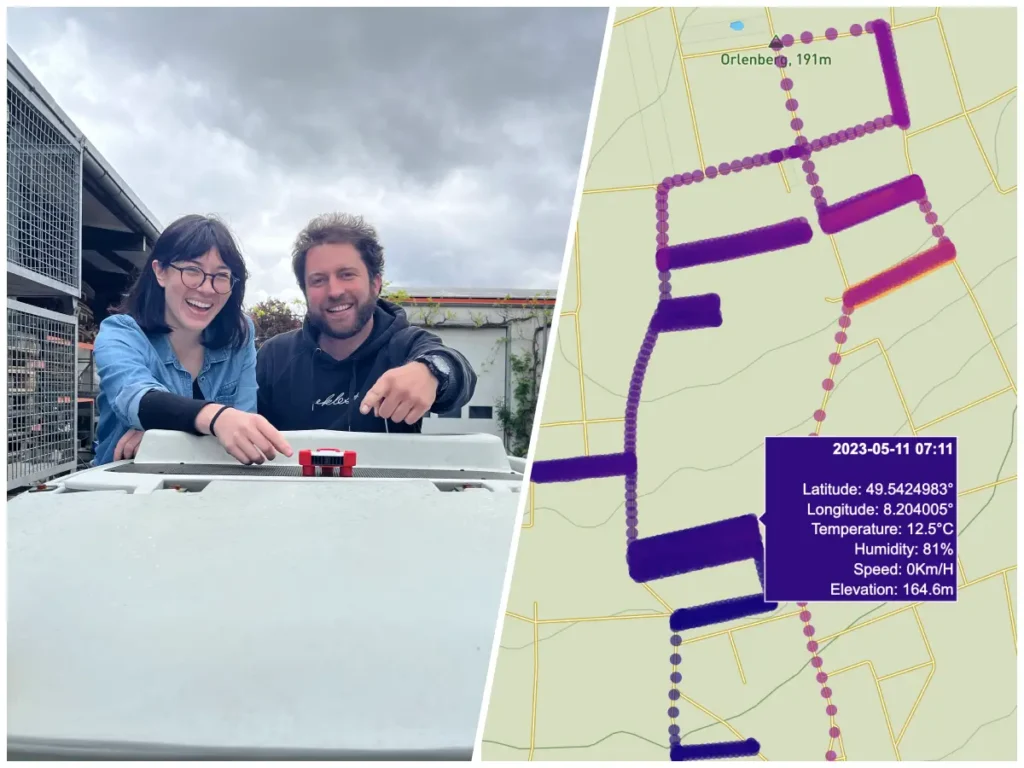
VineForecast researches the use of mobile sensors Can microclimate data from mobile sensors improve local weather forecasts? To answer this question, VineForecast recently received research funding from the High-Tech Incubator (HTI) Lower Saxony. Mobile sensors are attached to implements and vehicles that drive through various fields during regular operations. This approach is in contrast to [...]
VitiMap - The infection map for Peronospora and Oidium
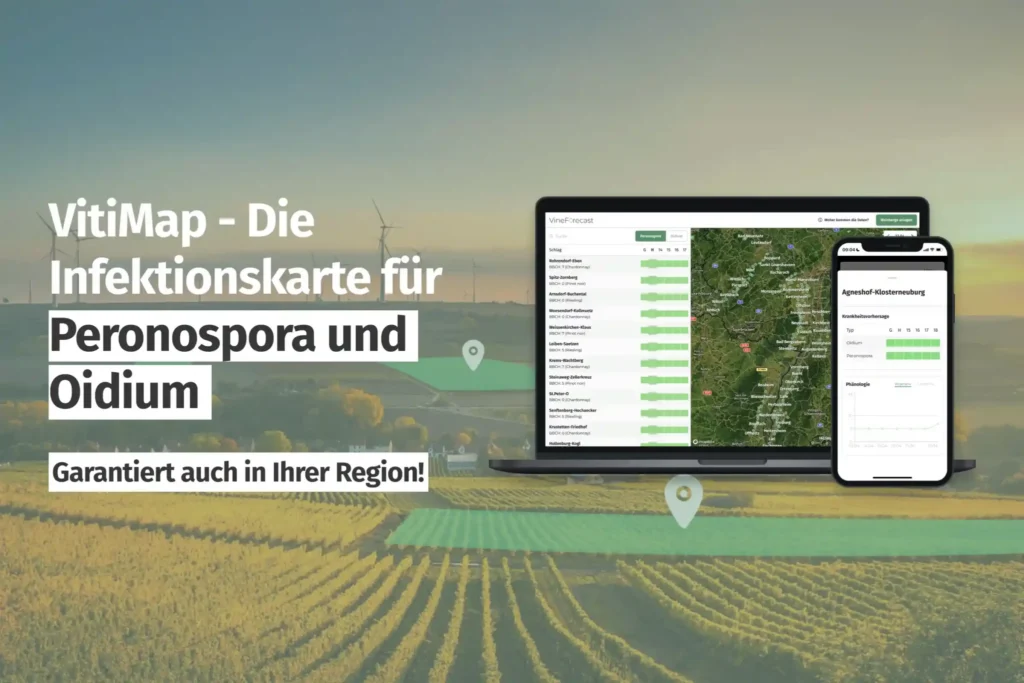
Since 2019, VineForecast has been helping wineries to minimise the risk of crop failures due to fungal infections or weather risks and to optimise their spraying schedules. To do this, the system calculates disease and weather forecasts without the need for weather stations. Instead, artificial intelligence calculates microclimate and disease forecasts with a resolution of 25 metres x 25 metres. Our aim is to provide a responsible and realistic [...]
Why no weather station helps with preventive plant protection
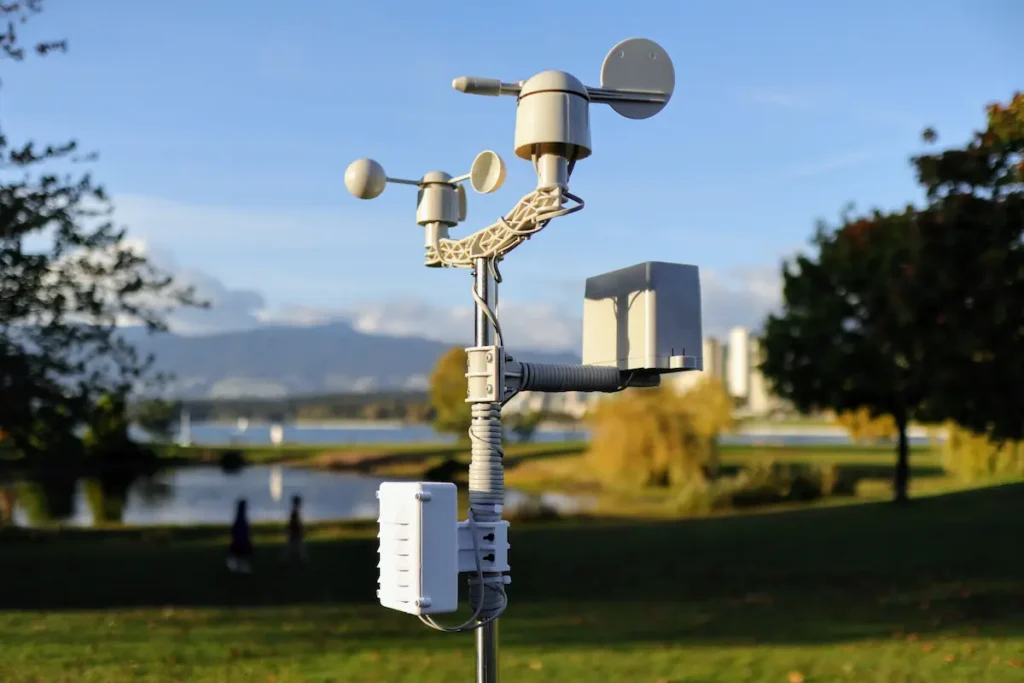
Why don't you need your own weather station for an accurate forecast? In our last blog article, we explained how VineForecast adapts forecasts to the local conditions of a vineyard. With the help of so-called regionalisation, VineForecast can capture small-scale differences in infection risks without weather stations. In this blog article, we would like to address a question that we are often asked: [...]
How the regionalisation of weather data influences infection forecasts
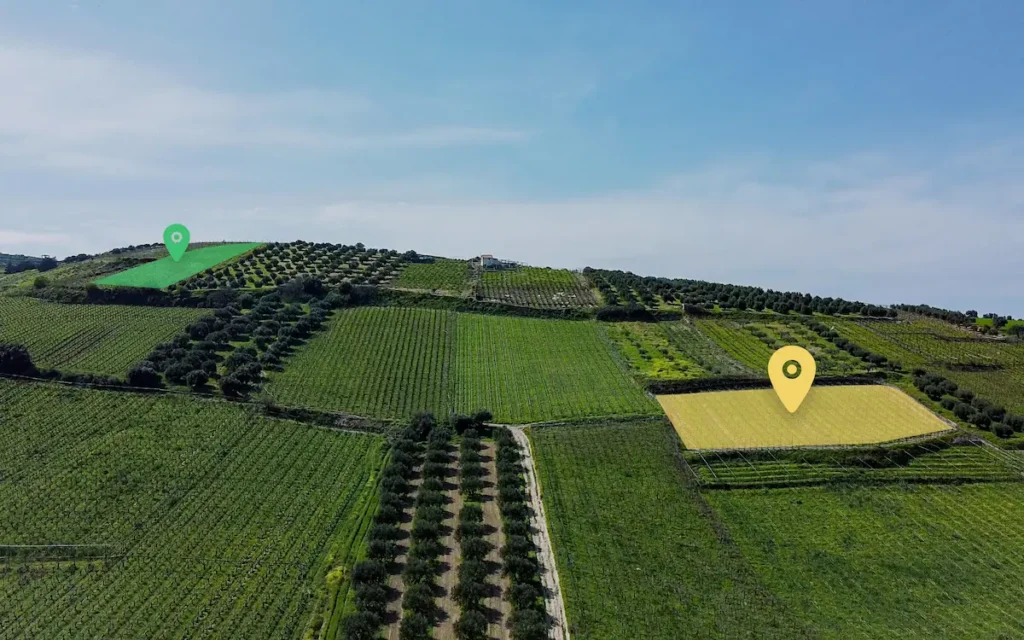
VineForecast creates forecasts for every vineyard of a winery without installing weather stations in the vineyards. You can find out how this works and the methodology behind the technology in this blog article. Downscaling - regionalisation of the weather forecast To understand how weather forecasts are actually produced, we first need to delve a little deeper into the subject. Towards [...]
Botrytis cinerea (grey mould, grey mould rot) - Fungal diseases in viticulture #3
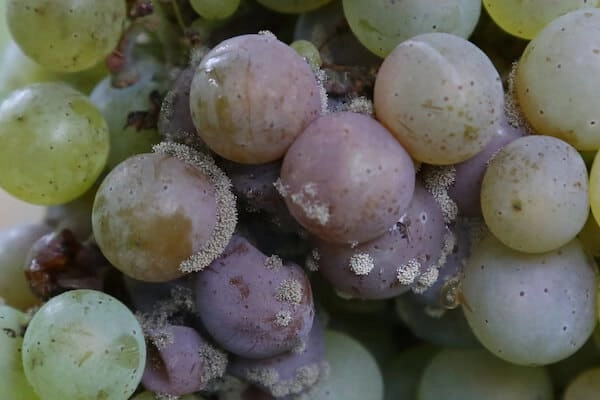
Grey mould (Botrytis cinerea) is a mould fungus or parasite that can cause considerable damage to green vine tissue and other cultivated plants such as fruit trees or ornamental plants. Wine grapes such as Pinot Noir, Chardonnay or Semillon are usually particularly susceptible to botrytis due to their high sugar content. One of the most striking symptoms of Botrytis infestation is a greyish fungal turf. For this reason, botrytis is often also [...]
Oidium (powdery mildew of grapevine) - Fungal diseases in viticulture #2
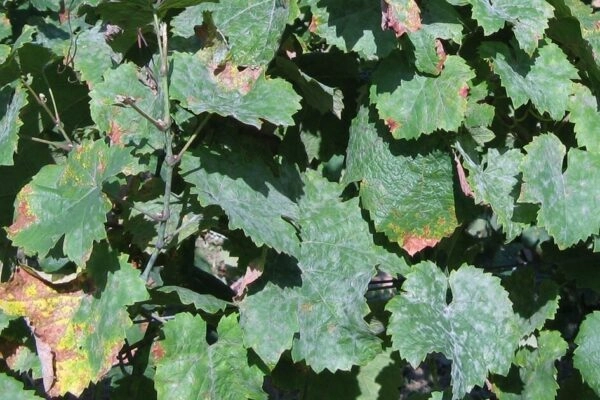
Oidium (powdery mildew of the grapevine) is an important fungal disease in viticulture, which is known in particular for its negative effect on the flavour of the wine. The infestation is visible in the form of a completely mealy-grey coating on the young shoots of the vine. However, the similar name should not lead to confusion. This is because the two fungal diseases differ greatly in terms of [...]
The influence of leaf wetness on vine diseases
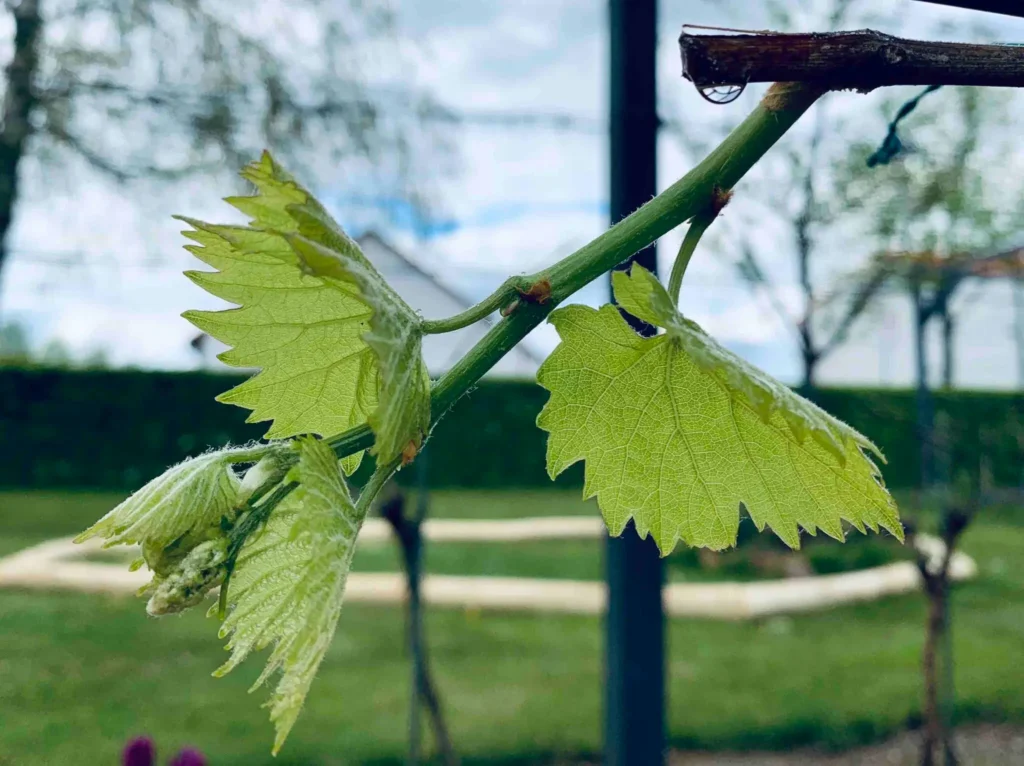
Leaf wetness - the key variable for the prognosis of a fungal disease Our last guest article by plant biologist Janna Einöder was about downy mildew and how it can infect and damage vines. The central variable for an infection of the vines with the fungal disease is the duration of leaf wetness, because only if vine leaves are wetted with water for a sufficiently long [...]